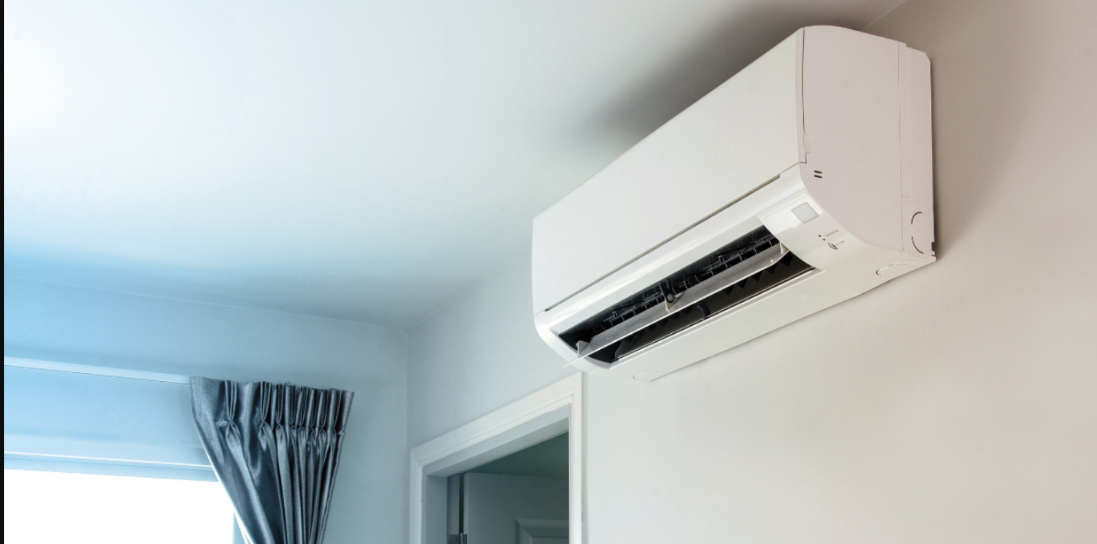
Understanding your air conditioner’s electricity consumption can make a real difference in your monthly utility bills. Whether you’re trying to budget for summer cooling costs or comparing unit types, knowing how much power an AC actually draws is essential information for any homeowner.
Electricity use varies significantly depending on the type of AC unit, its size, and how often it runs. This guide breaks down the numbers clearly so you can make informed decisions about your cooling system.
Quick Answer
A central air conditioner typically uses between 3,000 and 5,000 watts per hour of operation. A window unit uses between 500 and 1,500 watts, while a portable AC uses 900 to 1,400 watts. At the national average electricity rate of about $0.16 per kWh, running a central AC for 8 hours a day can cost roughly $4 to $6 per day.
Key Takeaways
- Central air conditioners use 3,000 to 5,000 watts and are the most energy-intensive option
- Window units use 500 to 1,500 watts depending on size and BTU rating
- Portable air conditioners typically draw 900 to 1,400 watts
- Daily operating costs for central AC average $4 to $6 based on 8 hours of use at $0.16/kWh
- Unit size, outdoor temperature, and insulation quality all affect real-world energy consumption
- SEER rating is the best indicator of how efficiently a unit converts electricity into cooling
Electricity Use by Air Conditioner Type
Central Air Conditioners
Central AC systems are the largest consumers of electricity in most American homes. A standard 3-ton central unit draws approximately 3,500 watts during operation. Larger 5-ton systems can reach 5,000 watts or more.
Running a 3,500-watt central AC for 8 hours consumes 28 kWh. At $0.16 per kWh, that equals about $4.48 per day, or roughly $134 per month during peak cooling season.
Window Air Conditioners
Window units are far more energy-efficient for cooling a single room. A small 5,000 BTU window unit uses around 500 watts, while a larger 12,000 BTU model draws closer to 1,200 watts.
For targeted room cooling, window units offer a cost-effective alternative to running a whole-home system. If you want to compare models before buying, this guide to choosing the best vertical window air conditioner covers key specs to evaluate.
Portable Air Conditioners
Portable units typically consume between 900 and 1,400 watts. They are convenient but generally less efficient than window units at the same BTU rating because they must work harder to exhaust heat through a single vent hose.
Mini-Split Systems
Ductless mini-split systems vary widely, typically using 600 to 2,000 watts depending on capacity. They are often among the most efficient options available, with high SEER ratings reducing overall electricity demand.
AC Electricity Use Comparison Table
| AC Type | Wattage Range | Approx. Daily Cost (8 hrs) |
|---|---|---|
| Central AC (3-ton) | 3,000 to 3,500W | $3.84 to $4.48 |
| Central AC (5-ton) | 4,500 to 5,000W | $5.76 to $6.40 |
| Window Unit (small) | 500 to 800W | $0.64 to $1.02 |
| Window Unit (large) | 1,000 to 1,500W | $1.28 to $1.92 |
| Portable AC | 900 to 1,400W | $1.15 to $1.79 |
| Mini-Split | 600 to 2,000W | $0.77 to $2.56 |
Based on $0.16/kWh national average
What Factors Affect How Much Electricity an AC Uses?
Unit Size and BTU Rating
A higher BTU rating means more cooling capacity but also more electricity draw. An oversized unit will short-cycle, turning on and off frequently, which wastes energy and causes wear.
SEER Rating
SEER (Seasonal Energy Efficiency Ratio) measures how efficiently an AC converts electricity into cooling over a season. A higher SEER rating means less electricity used per BTU of cooling. Modern units are required to have a minimum SEER of 14 in most U.S. regions.
Outdoor Temperature
The hotter it is outside, the harder your AC works to maintain indoor temperature. On a 100°F day, your unit may run nearly continuously, significantly increasing electricity consumption.
Home Insulation and Sealing
Poor insulation allows cool air to escape, forcing the AC to run longer. Sealing air leaks around windows and doors can noticeably reduce operating hours and electricity use.
Thermostat Settings
Every degree you raise your thermostat setting reduces energy use by approximately 3%. Setting your thermostat to 78°F instead of 72°F can lead to meaningful savings over a full summer.
How to Calculate Your AC’s Electricity Cost
Learning how to calculate how much electricity a heater or cooling unit consumes follows the same basic formula:
- Find your unit’s wattage on the label or in the manual
- Multiply wattage by daily operating hours to get watt-hours
- Divide by 1,000 to convert to kilowatt-hours (kWh)
- Multiply by your local electricity rate (check your utility bill)
Example: 3,500W x 8 hours = 28,000 Wh / 1,000 = 28 kWh x $0.16 = $4.48 per day
Conclusion
How much electricity an air conditioner uses depends on its type, size, efficiency rating, and operating conditions. Central AC systems are the biggest consumers, while window and mini-split units offer more targeted, efficient alternatives. Understanding your unit’s wattage and your local electricity rate gives you everything you need to estimate real cooling costs accurately.
Small adjustments like raising your thermostat setting, improving insulation, and choosing a high-SEER unit can meaningfully reduce your electricity bill over an entire cooling season.
Frequently Asked Questions
How many kWh does an air conditioner use per day?
A central air conditioner running 8 hours per day typically uses 24 to 40 kWh depending on its size and efficiency. A window unit running the same amount of time uses roughly 4 to 12 kWh per day.
How much does it cost to run an AC all day?
Running a central AC for 24 hours costs approximately $13 to $19 at the national average rate of $0.16 per kWh. Window units cost significantly less, averaging $1.50 to $5.50 for a full day of operation.
Does AC use a lot of electricity?
Yes, air conditioning is typically the largest single electricity expense in an American home during summer, often accounting for 12% to 27% of total household electricity use according to the U.S. Energy Information Administration.
What uses more electricity, heat or AC?
In most climates, heating systems consume more total energy annually than air conditioning. However, during peak summer months, AC can dominate electricity usage, especially in southern states where cooling seasons are longer.
Does turning AC on and off save electricity?
Turning off your AC when you leave home for extended periods does save electricity. However, frequently cycling it on and off in short intervals is less efficient than maintaining a consistent, slightly higher temperature using a programmable thermostat.