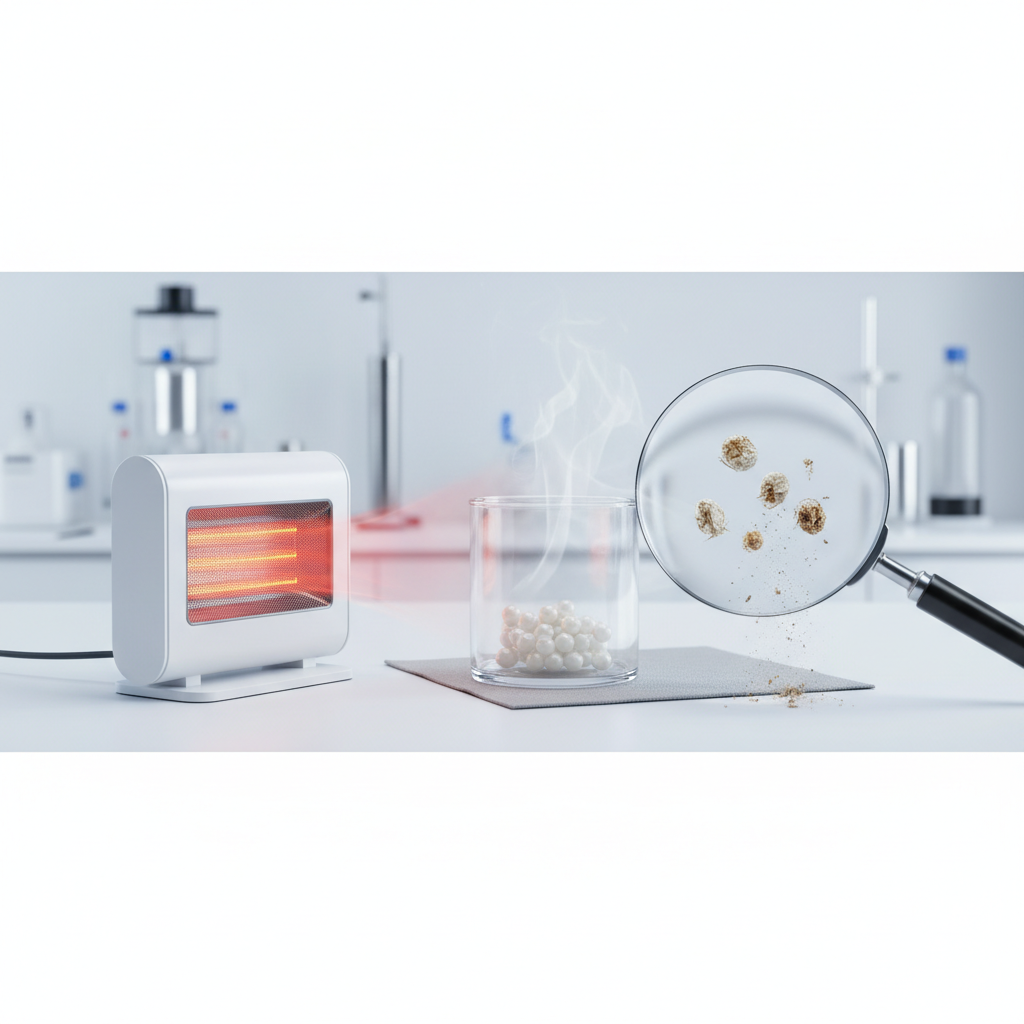
Moths are a common household pest, and their eggs are notoriously difficult to eliminate with standard cleaning methods. If you’re dealing with a moth infestation, you may be wondering whether heat is a practical solution. Specifically, can a heater kill moth eggs before they hatch and cause further damage to your clothing, pantry, or carpets?
Heat treatment is one of the most effective non-chemical methods for pest control, and understanding how it applies to moth eggs can help you take the right action at home.
Quick Answer
Yes, a heater can kill moth eggs. Moth eggs are vulnerable to high temperatures and will die when exposed to heat above 120°F (49°C) for a sustained period. Portable heaters, clothes dryers, and professional heat treatment systems can all be used effectively, depending on the scale of the infestation and the items affected.
Key Takeaways
- Moth eggs die at temperatures above 120°F (49°C) when sustained for at least 30 minutes
- Common clothing moths and pantry moths both have eggs that are heat-sensitive
- A clothes dryer set to high heat is one of the most accessible home solutions
- Portable space heaters can raise room temperatures, but reaching lethal temperatures consistently throughout a space is challenging
- Professional heat treatments are the most reliable option for whole-room or whole-home infestations
- Freezing is an alternative method for delicate items that cannot tolerate heat
What Temperature Kills Moth Eggs?
Moth eggs die at sustained temperatures of 120°F (49°C) or higher. Most pest control research confirms that exposure at this temperature for 30 minutes or more is sufficient to eliminate eggs, larvae, and adult moths.
Some sources recommend targeting 130°F (54°C) to ensure complete effectiveness, particularly when heat may not distribute evenly throughout a treated space or fabric.
Key temperature thresholds to know:
- 120°F (49°C): Minimum lethal temperature for moth eggs with 30+ minutes of exposure
- 130°F (54°C): More reliable target temperature for thorough treatment
- 140°F (60°C): Often used in professional heat treatments for guaranteed results
Can a Space Heater Kill Moth Eggs?
A standard space heater can contribute to killing moth eggs, but it has significant limitations. Most residential space heaters are designed to maintain comfortable room temperatures, typically between 65°F and 75°F, which is far below the threshold needed to kill moth eggs.
To use a space heater effectively against moth eggs, you would need to:
- Seal the room tightly to retain heat
- Run the heater at maximum output for an extended period
- Monitor the actual air temperature with a thermometer
- Ensure heat penetrates into fabrics, crevices, and storage areas where eggs are laid
Even then, achieving a consistent 120°F throughout an entire room with a portable space heater is difficult and potentially unsafe if left unattended. Oil-filled radiator heaters can provide more sustained, even heat output compared to fan-forced models, but they still face the same limitations in reaching pest-control temperatures safely in a living space.
Best Heat Methods for Killing Moth Eggs at Home
Clothes Dryer
The most practical and accessible heat method for clothing and fabric items is a standard clothes dryer. Set the dryer to its highest heat setting and run items for at least 30 minutes. This reliably reaches temperatures well above 120°F inside the drum.
This method works well for:
- Clothing and woolens
- Blankets and bedding
- Curtains and fabric accessories
Washing Machine (Hot Cycle)
Washing infested items in hot water at 120°F or above will kill moth eggs on contact. Combine this with a high-heat dryer cycle for the most thorough result.
Sealed Plastic Bags in Direct Sunlight
Placing sealed bags of infested items in direct sunlight on a hot day can raise internal temperatures significantly. This is a low-cost option but is less reliable due to variable outdoor conditions.
Professional Heat Treatment
For whole-room or whole-home infestations, professional pest control companies use industrial heating equipment to raise and maintain temperatures above 130°F throughout the entire structure. This is the most thorough and reliable method, reaching into walls, flooring, and furniture where eggs may be hidden.
Can a Heater Kill Moth Eggs in a Pantry or Kitchen?
Pantry moths, also known as Indian meal moths, lay eggs in dry food products like flour, grains, and cereals. Heat can kill their eggs, but treating a pantry with a heater is impractical and potentially unsafe around food.
The recommended approach for pantry moth eggs is:
- Discard all infested food products immediately
- Wipe down shelves with a vinegar and water solution
- Wash any reusable containers in hot, soapy water
- Use airtight containers going forward to prevent reinfestation
Does Freezing Work as an Alternative?
Yes. Freezing is an effective alternative for items that cannot tolerate heat, such as delicate fabrics, antiques, or certain food items. Moth eggs die at temperatures below 18°F (-8°C) after 72 hours of continuous exposure. Place items in sealed plastic bags before freezing to prevent moisture damage.
Conclusion
A heater can kill moth eggs, but the method needs to be appropriate for the scale and location of the infestation. For clothing and fabrics, a clothes dryer on high heat is the most reliable home solution. For larger infestations, professional heat treatment is the most effective option. Understanding the temperature thresholds involved helps you choose the right approach and avoid wasting time on methods that won’t reach lethal heat levels. You can also learn more about how heaters work and their efficiency to better understand the limitations of residential heating equipment in pest control scenarios.
FAQs
How long does it take for heat to kill moth eggs?
Moth eggs require sustained exposure to temperatures above 120°F (49°C) for at least 30 minutes to die. Higher temperatures reduce the required exposure time, with 130°F or above providing more reliable results.
Will turning up my home thermostat kill moth eggs?
No. Standard home thermostats maintain temperatures between 65°F and 78°F, which is far below the 120°F minimum needed to kill moth eggs. Residential HVAC systems are not designed to reach pest-control temperatures.
Can moth eggs survive in a hot car?
On a very hot day, the interior of a parked car can exceed 130°F, which is sufficient to kill moth eggs. Placing infested items in a sealed car on a hot sunny day is a practical low-cost heat treatment option.
Do moth eggs die in the washing machine?
Yes, if the water temperature reaches 120°F or higher. A hot wash cycle combined with a high-heat dryer cycle is one of the most effective home methods for eliminating moth eggs from washable fabrics.
What is the fastest way to kill moth eggs?
The fastest reliable method is a clothes dryer on the highest heat setting for 30 minutes. For non-washable items or larger infestations, professional heat treatment provides the quickest and most thorough results.